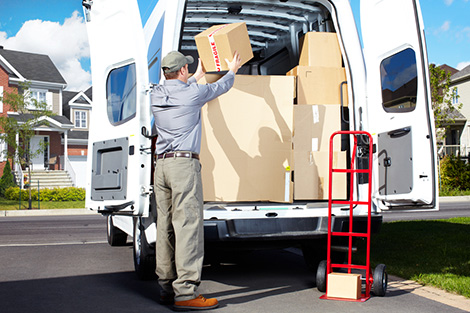
Greenwich Market moving guide for market area removals
If you are planning a move near Greenwich Market, you already know this part of London has a character all its own. It is lively, historic, and often busy in the exact ways that make removals feel a bit more complicated than expected. This Greenwich Market moving guide for market area removals is here to help you get organised, avoid the usual headaches, and move with far less stress.
Whether you are shifting into a flat nearby, clearing a stall or workspace, or arranging a small business relocation around the market area, the key is the same: know the access, plan the timing, and keep the job simple. That sounds obvious, but in practice it saves a lot of wasted effort. A surprising amount, actually.
Below, you will find practical steps, local moving considerations, common mistakes, and a sensible checklist you can use before the van arrives. If you need a broader home-moving service, you may also want to look at home moves or man with van support for a more flexible move.
Table of Contents
- Why Greenwich Market moving guide for market area removals matters
- How Greenwich Market moving guide for market area removals works
- Key benefits and practical advantages
- Who this is for and when it makes sense
- Step-by-step guidance
- Expert tips for better results
- Common mistakes to avoid
- Tools, resources and recommendations
- Law, compliance, standards, or best practice
- Options, methods, or comparison table
- Case study or real-world example
- Practical checklist
- Conclusion
- Frequently asked questions
Why Greenwich Market moving guide for market area removals Matters
Moves around Greenwich Market are different from a standard suburban removal. Streets can be tighter, loading space can be limited, and pedestrian activity can be constant, especially around popular times. If you turn up without a plan, you can end up doing the classic London moving shuffle: carrying things a bit too far, waiting for space that never appears, and trying to avoid getting in everyone's way. Not ideal.
That is why a practical moving guide matters. It is not about making the process fancy. It is about making it predictable. A good plan helps you protect furniture, keep your schedule realistic, and reduce the chance of damage or delays. For businesses, traders, and residents alike, those few extra minutes of planning often make the whole move feel half as hard.
There is also a trust element. When you use a mover who understands local access issues, you tend to get a calmer experience. If you are comparing support options, pages such as man and van, house removalists, and commercial moves can help you match the service to the job rather than overpaying for something you do not need.
Expert summary: Around Greenwich Market, the best removals are usually the quiet ones. Clear access, small-time windows, sensible packing, and the right vehicle matter more than brute force.
How Greenwich Market moving guide for market area removals Works
In simple terms, a market-area move works best when you break it into three parts: access, loading, and transport. Around Greenwich Market, all three need attention. The route from your property or unit to the vehicle may be short on a map, but in real life it can involve steps, narrow pavements, busy kerbs, and awkward corners. You feel it immediately on moving day.
The process usually starts with assessing what needs to go. Are you moving furniture, stock, office files, display equipment, or household contents? The answer affects the vehicle size, labour needed, and whether you should add services such as packing and unpacking services or removal truck hire.
Next comes route planning. For a market-area removal, you want to know where the vehicle can safely stop, how long loading is likely to take, and whether any item needs to be taken apart before it reaches the van. A small sofa that looked harmless in the lounge can suddenly become a two-person problem in a tight stairwell. Been there, seen it, repaired the plan.
Finally, there is the handling itself. Good removals teams protect items, lift safely, and keep the work organised. If a move includes appliances or bulky waste, specialist pages like fridge and appliance removal, mattress and sofa disposal, or furniture pick up can be relevant too.
Key Benefits and Practical Advantages
The main benefit of planning a move around Greenwich Market properly is that it reduces friction. That sounds dull, but it is genuinely the thing that makes the day work.
- Less stress: When access, timing, and packing are sorted early, the day feels manageable rather than chaotic.
- Lower risk of damage: Fewer last-minute lifts and fewer rushed turns through narrow spaces mean fewer knocks and scrapes.
- Better time control: You can estimate loading and travel more realistically, especially in a busy local area.
- Cleaner organisation: Market removals often involve mixed items, from furniture to documents to stock. Grouping them properly saves time later.
- Better value: A move that is planned well usually uses fewer labour hours and fewer unnecessary vehicle movements.
Another quiet advantage is confidence. When you know what is happening, you are less likely to make rushed decisions. That is especially important if you are coordinating more than one person, or trying to empty a flat, studio, or business space on a deadline. Truth be told, the calmest move is usually the one with the best prep, not the biggest van.
If sustainability matters to you, there is also a waste-reduction angle. Items that are still usable may be suitable for a second life through recycling and sustainability planning, while larger unwanted pieces can sometimes be handled through furniture pick up rather than simply being left until the last minute.
Who This Is For and When It Makes Sense
This guide is useful for anyone moving in or around the Greenwich Market area, but some people will benefit more than others.
Typical readers include:
- Residents moving into or out of nearby flats and maisonettes
- Market traders relocating stock, fixtures, or display items
- Small businesses moving offices, storage, or back-room equipment
- Landlords or agents arranging end-of-tenancy clearances
- People disposing of bulky furniture, appliances, or mixed household items
It makes sense when access is awkward, when the job includes several item types, or when timing matters. If you have a same-day handover, a delivery window, or a busy building with shared access, planning becomes non-negotiable. That is especially true if you are balancing work around trading hours, school runs, or a stairwell nobody wants to block. Not glamorous, but very real.
For a business move, the right support can be broader than just transport. Some jobs need office relocation services, while others are better suited to a smaller flexible team via man with van. If you are unsure which route fits, it is worth comparing the scope before booking.
Step-by-Step Guidance
Here is a straightforward way to approach a Greenwich Market area removal without overcomplicating it.
- List everything to be moved. Separate furniture, boxes, appliances, paperwork, stock, and items for disposal. Keep a note of anything fragile or unusually heavy.
- Measure the awkward bits. Doorways, stair turns, lifts, cellar access, and any tight corners. A quick tape measure check can save a lot of head-scratching later.
- Check vehicle access. Decide where the vehicle can stop and how long loading is likely to take. If space is tight, plan a backup point nearby.
- Pack by priority. Essentials first, breakables separately, and heavy items in smaller boxes. Overfilled boxes are one of the most annoying moving mistakes. They always look innocent until you pick them up.
- Disassemble where sensible. Beds, large tables, and certain shelving units are easier to move in parts than as one awkward object.
- Sort disposal items early. If something is going to be removed rather than moved, identify it before the day. This is where services like hazardous waste disposal or mattress and sofa disposal may be relevant.
- Confirm timing and contact details. A clear arrival window and a simple phone number prevent needless delays.
- Keep access clear on the day. Hallways, doorways, and loading points should be as open as possible before the team arrives.
A small practical note: if your move involves documents, sensitive files, or old records, it may be sensible to separate them from general waste and look at confidential shredding. It is one less thing to think about when you are already juggling boxes and keys.
Expert Tips for Better Results
After enough local removals, a few patterns become obvious. The following tips can make a real difference.
- Book the vehicle for the job, not the wish. A slightly larger van or the right truck can be cheaper than making two trips.
- Label boxes by room and priority. "Kitchen - fragile - open first" is more useful than a vague marker scribble. Simple wins.
- Protect floors and corners. In older Greenwich properties, narrow stairwells and period features can be easy to scuff. A bit of care goes a long way.
- Move bulky items first. Once the big objects are out, the rest of the job usually feels easier and quicker.
- Use one person to direct traffic. Too many voices at a doorway creates confusion. One calm coordinator is usually enough.
- Leave a margin in the schedule. Traffic, parking, or a difficult lift can add time. That does happen.
To be fair, the biggest mistake people make is assuming every removal runs on "normal" timings. Around a busy market area, normal is a bit slippery. Build in breathing room.
If you want a more structured move, it may help to pair transport with packing and unpacking services and a suitable moving truck. That combination keeps the process orderly and reduces the chance of a half-finished move dragging into the next day.
Common Mistakes to Avoid
Most removal problems in market areas are preventable. They usually come down to one of a few common errors.
- Underestimating access issues: A short distance on the map can still be awkward if the route includes steps, loading restrictions, or pedestrians.
- Leaving packing until the night before: That tends to create poor box quality and a lot of missing items.
- Ignoring disposal early: If unwanted items are mixed into the move at the last minute, the vehicle fills too quickly.
- Choosing the wrong service: A small hand-carry job and a full commercial relocation are not the same thing.
- Failing to protect fragile pieces: Mirrors, glass shelves, and electronics deserve proper wrapping and separation.
- Not checking building rules: Some buildings have lift booking slots, access codes, or quiet hours. Missing those details can become a nuisance fast.
A quieter mistake is not asking enough questions before booking. It feels awkward in the moment, but it pays off. If you are unsure about pricing, it is wise to review pricing and quotes so you understand what is included and what may affect the final cost.
Tools, Resources and Recommendations
You do not need a warehouse full of gear to manage a market-area removal well. A few simple tools and decisions do most of the work.
- Strong boxes and tape: Better to use fewer sturdy boxes than a lot of weak ones.
- Blankets and protective wrap: Useful for tables, cabinets, mirrors, and appliances.
- Trolley or sack truck: Handy for heavier boxes where the route allows safe use.
- Labels and marker pens: Keep the move organised. Very basic, very effective.
- Tape measure: Essential for door widths, sofa lengths, and awkward corners.
- Keys, codes, and contact list: Easy to forget, surprisingly important.
For many people, the most useful resource is simply the right service mix. A straightforward local load may only need man and van, while a larger home move can benefit from house removalists. If furniture is being removed rather than relocated, furniture pick up can be a cleaner solution than trying to squeeze everything into a move.
If you are dealing with specialist waste or items that should not go in a standard load, you may also want to review what can go in a skip. It helps set expectations, even if you are not using a skip directly. A little knowledge goes a long way here.
Law, Compliance, Standards, or Best Practice
For removals, the safest approach is to follow normal UK best practice rather than guess at what is allowed on the day. That means handling waste responsibly, keeping dangerous items separate, and making sure transport is arranged in a way that does not create risk for people or property.
If your move involves disposal, especially bulky waste or items that could be classed as hazardous, it is sensible to treat that as a separate task. Do not mix batteries, liquids, sharp items, or other risky materials into general moving boxes. When in doubt, keep them isolated and ask before collection. That is just common sense, really.
Good operators should also work with clear health and safety processes, insurance awareness, and careful loading practices. If you are vetting a provider, pages like health and safety policy, insurance and safety, and payment and security can help reassure you that the basics are being taken seriously.
For commercial customers, the extra point is confidentiality and business continuity. Sensitive files should be handled properly, and any move should be planned to reduce disruption. If you are moving an office or shop back room, commercial moves and office relocation services are relevant because they address the practical realities of business logistics, not just furniture transport.
Options, Methods, or Comparison Table
Different market-area moves need different approaches. Here is a simple comparison to help you choose the right style of support.
| Move type | Best fit | Strengths | Watch-outs |
|---|---|---|---|
| Small residential move | Man and van | Flexible, cost-conscious, suited to smaller loads | May be less efficient for large furniture or many trips |
| Full house move | House removalists | More support, better for multiple rooms and heavier items | Can be more than you need for a light move |
| Business or shop move | Commercial moves | Better for stock, fixtures, files, and timed access | Needs more planning around opening hours and downtime |
| Furniture or bulky item removal | Furniture pick up | Simple for single items or a few pieces | Disposal items may need separate handling |
| Bulky, mixed, or heavier load | Removal truck hire or moving truck | Good capacity and fewer trips | Requires better parking and access planning |
There is no one perfect method. The better question is: what is the smallest, safest service that will actually do the job properly? That is usually where the value sits.
Case Study or Real-World Example
Imagine a small independent trader moving out of a unit near Greenwich Market and into storage nearby. The load includes display shelving, boxed stock, a desk, a laptop, and a couple of awkwardly sized items that will not fit neatly in a car. The trader also has some damaged packaging and a few items that need to be disposed of, not moved.
In that situation, a simple plan would be:
- Separate stock from waste the day before
- Wrap the shelving and label all boxes by priority
- Measure the largest item against the route out of the unit
- Book a vehicle with enough room for everything in one go
- Use a separate disposal solution for the unusable items
The biggest win is not speed. It is calm order. The trader can keep the valuable stuff together, avoid mixing waste into stock, and finish the move without having to backtrack. That kind of day feels a lot better, even if it is a bit tiring. By the end, you are usually just glad the kettle is still in one piece.
For a household version of the same scenario, a couple moving from a flat above the market might use a combination of home moves and packing and unpacking services. The principle is identical: reduce friction before the heavy lifting starts.
Practical Checklist
Use this checklist a day or two before the move.
- Confirm the moving date and arrival window
- Check building access, codes, and lift availability
- Measure doorways, stairs, and large items
- Separate items to keep, items to move, and items to dispose of
- Pack fragile items securely and label them clearly
- Prepare parking or loading arrangements where possible
- Set aside essentials you will need immediately after the move
- Keep valuables and important documents with you
- Review any specialist disposal needs in advance
- Make sure contact details are easy to reach on the day
And one extra thing, because it gets forgotten all the time: charge your phone. You will thank yourself later.
Conclusion
Moving around Greenwich Market does not have to feel like a maze. With the right preparation, a sensible service choice, and a clear understanding of access and loading, a market-area removal becomes far more manageable than it first looks. The trick is not working harder; it is planning smarter.
Whether you are moving home, shifting stock, clearing furniture, or arranging a small commercial relocation, the same principles apply. Keep the load simple, pack with purpose, and choose support that fits the job. That is how you avoid the panicked last minute rush that everyone secretly dreads.
Get a free quote today and see how much you can save.
If you want to explore more about the company behind these services, you can also read about us or get in touch through the contact us page when you are ready to talk through the details. A proper conversation is often the quickest way to turn a messy move into a tidy one.
Frequently Asked Questions
What makes Greenwich Market removals different from a normal house move?
The main difference is access. Greenwich Market area removals often involve tighter streets, more foot traffic, and less forgiving loading space. That means planning matters more than usual.
Should I book a man and van or a full removal team?
It depends on the size and complexity of the job. A smaller load may suit a man and van service, while larger homes, offices, or heavier furniture usually need a fuller team.
Can I move bulky furniture near Greenwich Market without a large truck?
Sometimes yes, if the load is small and well organised. But if you have several large items, a larger vehicle or removal truck hire can save time and reduce repeat trips.
What should I do with items I do not want to keep?
Separate them early and decide whether they can be reused, picked up, or disposed of properly. For specific items such as sofas, mattresses, or appliances, specialist removal services may be the best fit.
How far in advance should I plan a market area removal?
As early as you reasonably can. If access is tight or the move includes several rooms, a few days of planning makes a real difference. For business moves, longer lead time is even better.
Is packing and unpacking worth it for a Greenwich Market move?
For busy, awkward, or time-sensitive moves, yes, often it is. It helps keep fragile items safe and speeds up the actual moving day, which is where stress usually shows up.
What if the building has stairs or no lift?
Then you need to factor that in before booking. Stairs increase time and effort, especially with heavier furniture. Mention it clearly so the right support and vehicle are arranged.
Are there special rules for disposing of hazardous items?
Yes, hazardous items should not be mixed with ordinary household goods. Keep them separate and use a suitable disposal route rather than guessing. That is the safest approach.
Can I combine moving and disposal in one booking?
Often yes, provided the service is set up for that kind of work. It is usually sensible to separate reusable items, waste, and items that need specialist handling before collection day.
How do I know if I need commercial moves support?
If the move involves stock, office equipment, trading items, or timed access around a business schedule, commercial support is usually the better option. It is designed for more than just boxes and a sofa.
What is the biggest mistake people make with Greenwich Market removals?
Assuming access will be simple. That one assumption causes more stress than almost anything else. Measure, check, and plan first. It saves a lot of bother.
Where can I find more information about service quality and safety?
Useful pages to review include health and safety policy, insurance and safety, and pricing and quotes. They help you understand the practical side before you book.