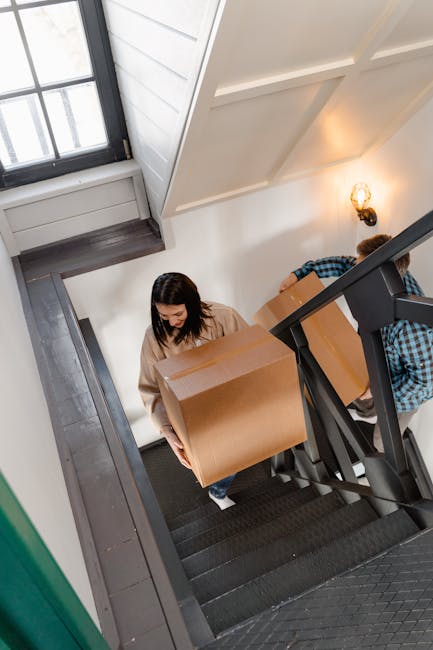
Greenwich man with van

Our Greenwich man with van service is built for straightforward moving, collection and delivery work across the area and beyond. It suits people who want a practical vehicle, careful handling and a move plan that stays focused on what actually needs shifting. We help with single items, part-load removals and smaller home or office moves, keeping the service flexible enough for everyday jobs without turning it into a one-size-fits-all operation.
The work can cover furniture, boxed belongings, appliances and mixed loads that need sensible loading rather than a full removal lorry. Where access is tight, the van-based format can be easier to manage than larger transport, especially for homes and business premises with stairs, narrow entrances or limited kerbside space. If you need a clear starting point, request a quotation and describe the items, collection point and delivery address in as much detail as you can.
For customers comparing moving options, this type of service often sits between courier transport and a full-scale removal. It is useful when you want help with lifting and transit but do not need a large crew. We can support planned moves, short-notice collections and practical deliveries with a service that stays task-led. If you are arranging something local, it is sensible to think about access, parking and the amount of loading involved before you book.
House moves and smaller domestic removals
Domestic work is often the core use for a man and van arrangement, especially when the load is smaller than a traditional house move. That may include a flat clearance, an end-of-tenancy move, an extra bedroom’s contents or a split move where some belongings go on one day and the rest later. We can help with the lifting, transport and unloading so the move is not dependent on the customer handling every heavy or awkward item alone.
Home moves are usually best planned around the volume of furniture, the presence of fragile items and the route between rooms, vehicle and delivery point. Sofas, wardrobes, beds and boxed household goods all need different handling, so the move should be shaped around the actual load rather than a guess. If you want a moving plan that stays realistic, start with the items that matter most and work out what can be carried together.
In many cases, a van move works well when you want more support than self-drive hire but less than a full removal package. It can suit students, renters, downsizers and homeowners moving a limited number of rooms. The key is to be precise about what needs moving and whether anything needs dismantling, wrapped protection or extra care. A well-organised list makes it easier to match the vehicle space to the job.
Commercial moves and office relocation support

Business customers often need removals that are quick to plan and careful with equipment, paperwork and furniture. Commercial moves can include desks, chairs, stock, archive boxes, display items and light office equipment that has to be moved without losing order. A van-based service is often suitable where the load is manageable but still needs organised loading, protection in transit and sensible timing around the working day.
Office relocation services are usually about more than simply carrying boxes. They can involve staged moving, sensible packing of mixed items and attention to items that should stay grouped by team, department or workstation. That is especially useful where the business wants to avoid confusion after delivery. We can work with the practical side of the move so the handover feels orderly rather than rushed.
If the move includes shared equipment or sensitive items, it helps to separate what must travel first from what can wait. A short, structured schedule often works better than trying to move everything at once. Get in touch when you are ready, and make sure you have a clear list of furniture, boxes and any access issues. One well-planned load is often easier than several loosely organised trips.
Packing, loading and protected transport
Some customers want a transport-only job, while others need help preparing items so they travel safely. Packing and unpacking services can be helpful when belongings need to be boxed, grouped or separated before loading. It is not just about speed; it is about reducing breakage, keeping items easy to identify and making sure delicate possessions do not end up beneath heavy ones during the journey.
Loading is a practical skill in its own right. Heavy furniture should be balanced, stacked with care and secured where needed so it does not shift in transit. Boxes should be arranged with weight and fragility in mind. When a move includes mixed items, the sequence of loading matters: larger pieces may go in first, followed by boxed contents, with fragile goods kept in safer positions. That approach helps the transport stay controlled from start to finish.
- Boxing and grouping household items for easier loading
- Protecting fragile or awkward pieces during transport
- Staging boxes so essentials are easier to find on arrival
- Keeping heavy items separate from lighter, breakable ones
Furniture collection and one-off item transport

A van service is often the simplest way to deal with a single bulky item or a small set of pieces that will not fit in a car. Furniture pick-up can suit purchases from shops, online marketplaces, storage units or private sellers when the item needs proper lifting and secure transport. It is a practical choice for tables, shelving, chairs and other items that are awkward to move without help.
When the job involves collection from one address and delivery to another, it is useful to think about access on both ends. Steps, tight hallways, upper floors and parking restrictions can all influence how the item is handled. We can help with careful movement through the property and into the vehicle, provided the item can be safely lifted and transported within the agreed scope of the job. This keeps the process focused on the item itself rather than turning it into a broader house move.
If you are comparing options, consider whether the item needs dismantling, whether two people will be needed to carry it and whether the receiving address has enough room for delivery. Those details shape the time and effort involved. The cleaner the brief, the easier it is to organise a sensible collection and delivery arrangement. Ask for a quotation once you know the item type and the collection and drop-off points.
Appliance removal and disposal options
Large appliances need different handling from ordinary boxes or furniture because they are heavy, awkward and often difficult to manoeuvre safely. Fridge and appliance removal covers items such as fridges, freezers, washing machines and similar household units that require careful loading. These jobs are usually easier when the route is clear and the item can be moved in a controlled way, without forcing it through spaces that are too tight.
Some customers also need replacement items delivered or old units taken away as part of the same move. That can keep the job efficient, provided the load is identified clearly in advance. Appliance work may also need attention to doors, hoses or detachable parts, depending on the item and the access available. It is best to check dimensions, weight and whether the appliance is still connected before the collection is arranged.
For disposal-related work, it is sensible to separate reusable items from broken or worn-out ones before the booking. That does not only help with planning; it also avoids confusion when there are several large objects involved. If the move is part of a larger clear-out, grouping appliances together can make the overall task easier to organise and quicker to complete.
Mattresses, sofas and bulky household items
 Not every collection is a full house move. Sometimes the job is simply to take away one oversized item that cannot be handled conveniently in a normal vehicle. Mattress and sofa disposal is useful for worn-out furnishings, replacement deliveries and clear-outs where space needs to be freed without creating extra hassle. Sofas and mattresses are awkward to carry and can be difficult to keep clean and protected during movement, so the loading approach matters.
These items often need extra care because they are large, soft, bulky and difficult to pivot through narrow spaces. A practical removal should consider whether the item can be taken apart, whether stairs are involved and whether it needs covering during transit. We can handle this sort of one-off bulky job in a way that stays focused on the item itself, without requiring a larger removal arrangement than the task calls for.
Customers sometimes use this service alongside a room change, a rental handover or a furniture replacement. In those cases, the most efficient approach is to identify the exact pieces, their condition and where they are going. That makes it simpler to plan lifting, protection and loading order. If you are unsure whether a bulky item is suitable for van transport, describe it clearly and ask for the most practical option.
Special handling for appliances, broken items and recycling
Some jobs need more than lifting and delivery because the items are no longer simply being moved from one place to another. They may be old, damaged, replaced or due for disposal. Recycling and sustainability matters here because the way an item is sorted can affect whether it is reused, separated or dealt with as mixed waste. A careful approach is especially useful when a load contains a mixture of furniture, metal, wood and other materials.
Not every item belongs with general household moving, and some objects are better dealt with through a disposal-led arrangement than a standard relocation. The practical question is whether the load is transportable as part of the agreed service and whether it can be handled safely at collection and delivery points. If there are multiple items of different types, listing them in categories can make the job easier to plan.
Keep useful items together, separate anything fragile or unsafe to lift, and note whether the load includes pieces that are intended for reuse or just removal. That simple preparation can make a notable difference to how smoothly the work proceeds. It also helps ensure the vehicle space is used sensibly and the job remains properly matched to the items involved.
Transport for mixed loads and service choices

A van-based move works particularly well when a single booking needs to cover different kinds of item at once. That might include furniture, bags, archive boxes, a few appliances and a small amount of household equipment. The main decision is whether the load should be treated as a move, a collection or a mixed transport job. Choosing the right scope matters because it shapes vehicle space, loading time and the order in which items are handled.
For customers who are weighing up their options, it helps to think about what matters most: lifting support, vehicle size, safe packing or a simple point-to-point transfer. Man and van work is often preferred when the load is too awkward for a normal car but not large enough to justify a full removal team. It offers a middle ground that can be adjusted to the job rather than forcing the job to fit a preset package.
When deciding on the right service, consider whether the delivery point is straightforward, whether items need to travel together or separately, and whether anything is particularly fragile, heavy or difficult to carry. Those factors help to define the most suitable arrangement. Start with the load, then shape the move around the route, the access and the handling required.
About Greenwich
Greenwich sits on the south bank of the River Thames and is one of London’s most recognisable historic districts, known for its maritime connections, its riverside setting and its long relationship with navigation and science. The area’s identity is shaped by the old royal palace site, the National Maritime Museum, the Queen’s House and the Royal Observatory, all of which reflect different layers of national and local history. Greenwich Park rises above the river and remains one of the district’s defining green spaces, with views across the Thames toward Canary Wharf and the City. The wider landscape combines formal civic architecture, older streets, dockland remnants and modern development, giving the district a layered appearance rather than a single architectural style. Greenwich Market adds a more compact commercial character, while the riverside paths and transport links keep it connected to nearby parts of south-east London. The area’s heritage is also recognised through the Maritime Greenwich UNESCO World Heritage Site, which brings together several of the best-known buildings and public spaces. Even with that formal historic core, Greenwich is not just a museum district: it remains a lived-in part of the capital with housing, education, retail, leisure and transport activity woven through its streets. The combination of river frontage, parkland, landmark buildings and busy local movement gives it a distinct sense of place that is both historic and active.
Booking support and quotation details
When you are ready to arrange a move or collection, the most useful information is often the simplest: what needs to go, where it is leaving from, where it is going and whether anything is especially awkward to carry. If there are stairs, parking restrictions, shared entrances or narrow hallways, include that too. Those details help shape the practical side of the job and make the quotation more accurate without adding unnecessary back-and-forth.
Pricing and quotes are best discussed against the actual job rather than a generic assumption about size. A short local run with a few boxes is very different from a part-house move or a bulky furniture collection, so the work should be described clearly. If there are several items, it can help to group them by room or type so the transport plan can be built around the load in a sensible order. Clear details save time and help the booking stay focused on the real task.
For a final step, keep your note brief but specific and ask for the most suitable way to proceed. If the job includes moving, collection or disposal, mention that directly so the right service is matched to the request. You can request a quotation now and include the essentials, and we will work from the information you provide.