SE10 flat removals small stair challenge solutions
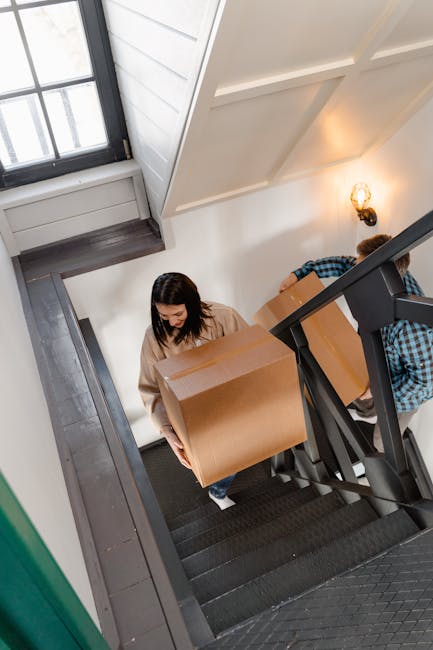
If you are planning a move in SE10, the stairs can be the bit nobody wants to talk about until the sofa is wedged halfway up the landing. That is exactly why SE10 flat removals small stair challenge solutions matter: they turn a stressful, awkward move into something workable, safe, and far less chaotic. Whether you are leaving a compact riverside flat, moving into a Victorian conversion, or shifting one room at a time, the difference is usually in the planning. Not luck. Planning.
In this guide, we will walk through how narrow staircases, tight turns, low ceilings, and shared entrances affect flat removals in SE10, what solutions actually help, and how to decide whether you need a man and van, packing support, a moving truck, or a more specialised removal setup. A lot of people think the problem is the size of the item. Often, it is the staircase geometry. Annoying, but fixable.
Expert summary: The best small-stair removal solution is rarely "just push harder." It is usually a mix of measurement, route planning, dismantling, protective materials, and the right vehicle size for the building layout.
Contents
- Why SE10 flat removals small stair challenge solutions Matters
- How SE10 flat removals small stair challenge solutions Works
- Key Benefits and Practical Advantages
- Who This Is For and When It Makes Sense
- Step-by-Step Guidance
- Expert Tips for Better Results
- Common Mistakes to Avoid
- Tools, Resources and Recommendations
- Law, Compliance, Standards, or Best Practice
- Options, Methods, or Comparison Table
- Case Study or Real-World Example
- Practical Checklist
- Conclusion
- Frequently Asked Questions
Why SE10 flat removals small stair challenge solutions Matters
SE10 has a lot of homes where access is the real story. Flats above shops, converted houses, period buildings with steep internal stairs, and apartment blocks with narrow communal landings all bring their own headaches. If you have ever tried to angle a mattress round a tight corner while someone downstairs is holding the door open and someone upstairs is saying, "a bit more left," you already know the feeling.
Small-stair removals matter because a poor approach can lead to damaged walls, scuffed banisters, strained backs, broken furniture, upset neighbours, and delay. And let's face it, delays in a move day have a funny way of multiplying. One awkward item can throw the whole schedule off.
The right solution is not just about lifting technique. It is about reducing friction at every stage of the move: measuring, sorting, packing, dismantling, protecting surfaces, choosing the best route, and making sure the vehicle and team are sized correctly for the job. That matters even more in a local area like SE10, where roads, parking, and loading access can be as challenging as the stairs themselves.
If you are comparing moving options, it can also help to understand how home moves are handled when access is awkward, or whether a more flexible man and van setup is enough for your load. For larger or more complex jobs, some people prefer to look at removal truck hire or a more coordinated moving vehicle option.
How SE10 flat removals small stair challenge solutions Works
At a practical level, the process starts with understanding the building. The stair challenge is usually caused by one or more of these factors:
- tight turning radii on landings
- low ceilings above stairwells
- narrow front doors or hallway pinch points
- steep stairs with limited grip
- communal access rules or time restrictions
- heavy items that are awkward rather than oversized
A good removal plan works by reducing the number of times an item has to be lifted, rotated, or carried blindly. Usually that means creating a clear route in advance, padding vulnerable surfaces, and deciding which items should be dismantled before moving day. In some cases, it also means removing just enough from the flat first to make the main move easier. A small adjustment can save a lot of effort. True enough.
For example, a wardrobe that looks impossible on paper may move easily if the doors, shelves, and base are removed first. A sofa may pass a tight landing once the feet are taken off and the wrapping is kept slim. Even a fridge can sometimes be moved without drama if it is properly emptied, secured, and carried on the right equipment. If appliances are involved, it is worth reviewing fridge and appliance removal guidance so you know what needs disconnecting and what needs protecting.
Small stair solutions are also about sequencing. The heaviest, most difficult items should be moved when everyone is fresh, not at the end when grip, patience, and energy have started to fade. That one detail alone can make the whole day feel calmer.
Key Benefits and Practical Advantages
Good stair challenge solutions are not only about avoiding damage. They improve the whole move in ways people notice immediately.
- Less risk of injury: safer lifting, better balance, fewer rushed movements.
- Lower damage risk: to walls, bannisters, doors, flooring, and furniture.
- Faster completion: smoother routes usually mean less stop-start carrying.
- Better neighbour relations: fewer collisions in communal halls and less disruption.
- More predictable costs: less chance of delays, extra labour, or unplanned second trips.
- Less stress: which is not a small thing on moving day.
There is also a subtler benefit: confidence. When the access plan is solid, people stop second-guessing every move. You get into a rhythm. The flat feels less like an obstacle course and more like a space being carefully cleared. That psychological shift is real.
If you are also clearing unwanted items, it may help to combine your move with furniture pick-up or disposal services, especially for bulky pieces that do not make sense to take to the new place. For sofa disposal specifically, there is a dedicated mattress and sofa disposal option that can simplify things quite a bit.
Who This Is For and When It Makes Sense
This topic is most relevant if you are moving out of, or into, a flat in SE10 where the stairs are narrow, steep, or shared. That includes:
- tenants moving between flats
- first-time buyers relocating into a conversion
- landlords preparing a property between occupancies
- students or young professionals with limited furniture
- small businesses moving stock or office equipment from upper floors
- households with one or two heavy items but limited access
It makes sense to plan around stair challenges when you can see any of the following signs early on:
- the staircase turns sharply halfway up
- the largest item is longer than the width of the landing
- you will need to pass through a communal entrance or narrow corridor
- there is no lift, or the lift is too small for furniture
- the move is happening in a busy block where timing matters
Sometimes people only need a man with van because the volume is modest, but the access is tricky. Other times the flat itself is easy enough, yet the building requires more care, more padding, or more hands. To be fair, that is often the real decision point.
Step-by-Step Guidance
Here is a practical way to tackle SE10 flat removals when small stairs are the main challenge.
- Measure the furniture and the route. Check item height, width, depth, and any diagonal measurements. Then measure stair width, landing space, door frames, and ceiling pinch points. A tape measure is boring, yes, but very persuasive.
- Identify the awkward pieces first. Sofas, wardrobes, mattresses, glass tables, and appliances are usually the main problems. Mark which items can be dismantled and which need extra protection.
- Clear the route completely. Remove loose rugs, shoes, coats, bins, planters, and anything else that becomes a trip hazard in a hurry.
- Protect the building. Use door covers, stair blankets, edge protection, and floor runners where needed. In older SE10 properties, woodwork can mark very easily.
- Pack with stair access in mind. Keep boxes compact and balanced. Heavy books in huge boxes are a classic mistake. The box may be small, but your back will still remember it.
- Decide the carrying order. Move the largest and heaviest items first, before fatigue sets in. Then take smaller items and boxes.
- Use the right handling method. Two-person carries, straps, dollies, and furniture sliders can reduce strain and improve control.
- Keep communication simple. One person should call the moves. "Stop," "turn," "hold," and "clear" are better than a stream of half-sentences.
- Load the vehicle strategically. Place awkward items so they are easy to unload first at the other end. That saves time and avoids re-handling.
- Do a final walk-through. Check for damage, forgotten items, and anything that needs cleaning or waste removal.
If the property includes commercial stock, archive boxes, or office furniture, it may be worth looking at commercial moves or office relocation services rather than trying to squeeze everything into a standard domestic plan.
Expert Tips for Better Results
In our experience, the best stair moves tend to feel almost boring in hindsight. That is a compliment. No drama, no last-minute panic, just a steady sequence. A few details make a big difference.
- Use furniture blankets earlier than you think. Waiting until the item is halfway down the stairs usually means late scrapes and more swearing than necessary.
- Take doors off where appropriate. Sometimes the difference between a stuck item and a clean move is a few minutes with a screwdriver.
- Wrap corners properly. Table edges, frames, and bed legs are the first things to clip on narrow stair turns.
- Keep boxes lighter than you want. Especially on upper-floor flats. Stair carrying punishes overpacked boxes fast.
- Plan for parking as well as stairs. In SE10, a good access plan includes where the vehicle sits and how far the team has to walk.
- Do the awkward items first thing in the morning. People are sharper, calmer, and more coordinated before the day gets noisy.
- Do not ignore humidity, rain, or dust. Wet steps, dusty treads, and a bit of drizzle on a front landing can make everything slick. Not ideal.
One small human truth here: the move often goes better when someone is assigned to the kettle, the doors, or the staircase rather than trying to help everywhere at once. A "spotter" sounds unglamorous, but it is genuinely useful.
Common Mistakes to Avoid
The most common mistake is assuming the item must fit because it fitted in the room. That is not how staircases work. The route out is a different shape, with different angles, and usually a less forgiving set of corners.
- Skipping measurements. Guessing is how people end up halfway committed to an impossible carry.
- Leaving dismantling until move day. That is how good intentions become a backlog.
- Overfilling boxes. Heavy boxes and steep stairs are a poor combination.
- Forgetting communal access rules. Lift bookings, quiet hours, and entry codes can affect the whole schedule.
- Not protecting walls and bannisters. A single scrape can be very visible in a white stairwell.
- Trying to move the hardest item after everyone is tired. That is when grip and judgement slip.
- Using the wrong vehicle. Too small means multiple trips; too large can create parking headaches.
There is also a quieter mistake: not planning for what you are leaving behind. If you are not taking old furniture, broken appliances, or bulky household waste with you, arrange disposal in advance rather than letting it sit by the door on the final day. That makes the staircase problem worse, not better.
Tools, Resources and Recommendations
You do not need a warehouse full of kit, but the right tools make stair removals much safer and smoother. A well-prepared move often uses some combination of the following:
- moving blankets for wall and furniture protection
- stair runners or floor covers for grip and surface protection
- strap systems for stabilising heavier items
- dollies or sack trucks for suitable items on level ground
- packing tape and labels to keep the load organised
- basic tools for dismantling beds, shelves, and tables
- gloves with decent grip to reduce slipping
For some moves, packing and unpacking services can be a real time-saver. If your flat is small and stair access is awkward, well-packed boxes are easier to carry, stack, and protect. Less wrestling, more flow.
If you are moving valuable or sensitive paperwork from a flat or shared workspace, confidential shredding can help you clear out what should not travel with you. That is especially useful when your stairs already make the process feel busy enough.
And if the move is tied to a bigger home clear-out, check waste handling options carefully. For example, hazardous waste disposal should be handled separately from ordinary furniture or household items, and a resource like what can go in a skip is helpful when you are deciding what should be retained, removed, or disposed of responsibly.
Law, Compliance, Standards, or Best Practice
For most flat removals, the main compliance concerns are practical and safety-related rather than legal drama. But they still matter. UK moving jobs commonly involve safe lifting, clear access, care around common areas, and sensible handling of waste. If a building has management rules, they should be respected, especially around move times, lift use, and protection of shared spaces.
Best practice usually includes:
- lifting within safe personal limits
- using enough people for awkward items
- protecting communal and private surfaces
- keeping walkways clear
- separating reusable items from waste
- disposing of waste responsibly
It is also sensible to check how a provider handles insurance, safety, and complaints before booking. Those things are not glamorous, but they matter when an item is difficult or a stairwell is tight. You can review insurance and safety and the company's health and safety policy for reassurance, and terms and conditions if you want to understand the service boundaries clearly.
Options, Methods, or Comparison Table
Different stair challenges need different approaches. Here is a straightforward comparison.
| Method | Best for | Strengths | Watch-outs |
|---|---|---|---|
| DIY with friends | Very small moves, light furniture, short stair runs | Lower upfront cost, flexible timing | Higher injury and damage risk, uneven lifting ability |
| Man and van | Small to medium flat removals with tricky access | Flexible, efficient, usually well suited to compact loads | May need precise planning for bulky items |
| Van plus dismantling support | Wardrobes, beds, sofas, and awkward turns | Makes tight stairs more manageable | Needs time for taking items apart and rebuilding |
| Truck-based removal | Larger flats or multi-room moves | Better for volume, fewer trips | Parking and access can be harder in SE10 streets |
Which one is best? That depends on volume, stair width, and how many awkward items you have. If the load is modest but the access is horrible, a nimble service may outperform a bigger one. If the flat is packed and the stairs are only part of the issue, a larger setup may save time overall.
Case Study or Real-World Example
Picture a top-floor SE10 flat with a narrow staircase, a sharp turn at the first landing, and a sofa that looked fine in the living room but far less cooperative on the way out. The move began with measurements and a quick plan for the route. The sofa feet were removed, the frame was wrapped, and the hallway was cleared before anything moved.
The heaviest items went first while everyone was fresh. A mattress followed, then the smaller boxes. The team paused at the landing to reset the angle rather than forcing it through. That tiny pause mattered. No wall damage, no jammed turn, no rush. The whole job stayed calm, which is rarer than it sounds.
Later, one broken chair and an old side table were separated for disposal rather than loaded into the van. That avoided cluttering the new place and kept the main move efficient. Not dramatic, just sensible. These are the moves that usually feel easiest in hindsight because they were properly prepared.
Practical Checklist
Use this checklist before moving day if you are dealing with SE10 stairs.
- Measure every large item and the tightest points on the staircase
- Confirm if any furniture can be dismantled
- Clear hallways, landings, and the front route
- Protect floors, walls, and bannisters
- Label boxes by room and weight
- Keep heavy items in smaller containers
- Check parking and loading access near the property
- Agree the moving sequence before lifting starts
- Separate items for disposal, donation, or recycling
- Keep water, keys, and documents somewhere easy to reach
- Review safety and insurance details if using a professional mover
Quick takeaway: If you can map the route, simplify the items, and keep the staircase clear, you are already halfway to a much better move.
Conclusion
SE10 flat removals can be perfectly manageable, even when the stairs are awkward, as long as the plan is built around the building rather than the other way round. The real solution is usually a mix of measured preparation, careful packing, the right equipment, and a sensible moving method. When those pieces line up, the day feels less like a battle and more like a steady job getting done.
If you are weighing up options, look at the access first, then the furniture, then the vehicle. That order saves a lot of second-guessing. And if you are still unsure, it is usually worth speaking with a moving team that has experience with narrow staircases, compact flats, and the sort of real-world access issues SE10 is known for. A bit of confidence at the start can make the whole day easier.
Get a free quote today and see how much you can save.
When the stairs are small, the smartest move is the calm one. One careful step at a time, honestly.
Frequently Asked Questions
What are SE10 flat removals small stair challenge solutions?
They are the practical methods used to move furniture and boxes safely through narrow, steep, or awkward staircases in SE10 flats. That usually includes measuring access, dismantling furniture, protecting surfaces, and choosing the right moving service.
How do I know if my sofa will fit down the stairs?
Measure the sofa at its widest and longest points, then measure the narrowest stair turn, landing, and door opening. If the item cannot be angled comfortably on paper, it probably needs dismantling or a different route.
Is a man and van enough for a small flat with difficult stairs?
Often, yes. If the volume is modest but access is tricky, a flexible service can be a very good fit. The key is confirming the size of the load, the awkward items, and whether any dismantling is needed in advance.
Should I dismantle furniture before moving day?
Yes, where possible. Beds, wardrobes, shelving, and some tables are much easier to move when broken down first. It saves time, reduces damage risk, and makes tight stair turns much less stressful.
What items are hardest to move up or down small stairs?
Sofas, wardrobes, mattresses, fridges, tall bookcases, and anything bulky but rigid usually cause the most problems. Heavy items with awkward shapes are often worse than very large but flexible loads.
How can I protect the walls and bannisters during a move?
Use moving blankets, edge protection, and clear carrying routes. It also helps to have one person guiding the move and another spotting tight corners. A few minutes of protection can prevent a lot of repair work later.
What is the biggest mistake people make with stair removals?
Guessing. People often assume an item will fit because it fit inside the room, but staircases are a different problem entirely. Measuring the route is the simplest way to avoid a very awkward surprise.
Can I move appliances through a small stairwell?
Sometimes, but only if they are properly prepared and the route allows it. Appliances should be emptied, disconnected where required, and handled carefully. If in doubt, it is better to plan appliance removal separately.
How early should I plan a flat move in SE10 if the stairs are awkward?
As early as you can. Even a short move benefits from a quick access check, a furniture list, and a decision on what needs dismantling or disposal. The more awkward the stairs, the more useful early planning becomes.
What if my flat has no lift and the staircase is extremely narrow?
That is when a careful access assessment becomes essential. In some cases, the move is still straightforward with the right team and equipment. In others, you may need to reduce what you take, dismantle more furniture, or use a different removal method.
Should I combine moving and disposal on the same day?
If the property is cluttered, yes, that can be a smart move. Removing unwanted furniture or waste before the main load goes out can make the staircase easier to manage. Just make sure disposal items are handled properly and separated from what is being kept.
How do I choose between a small van and a removal truck?
Choose based on both volume and access. A small van may suit a compact SE10 flat better if the stairs and parking are difficult. A larger truck can be better for bigger loads, but only if the surrounding access supports it.